Berberine vs. Gymnema & Cinnamon: How They Compare
GlycoZen's four ingredients vary meaningfully in pharmacological strength, with Berberine generally considered the most potent.
Understanding these differences helps explain why the formula's combined effect is stronger than any single ingredient.
Berberine: the most pharmacologically active ingredient
Berberine is studied in clinical trials for genuine, measurable effects on blood sugar and metabolic pathways, with some research comparing its effects to certain prescription diabetes medications in specific measures. It works through several mechanisms, including activating an enzyme involved in cellular energy metabolism (AMPK).
Gymnema Sylvestre: the craving-focused botanical
Gymnema has a long history of traditional use, and its name in Hindi roughly translates to “sugar destroyer.” Research has explored its potential role in both blood sugar support and reducing the perception of sweet taste, which some researchers link to its traditional use for curbing sugar cravings.
Ceylon Cinnamon: the metabolism-focused spice
Ceylon Cinnamon (sometimes called “true cinnamon,” distinct from the more common Cassia cinnamon) is studied for a potential role in supporting healthy glucose metabolism and insulin sensitivity, generally with a milder effect than Berberine.
Applying this to GlycoZen
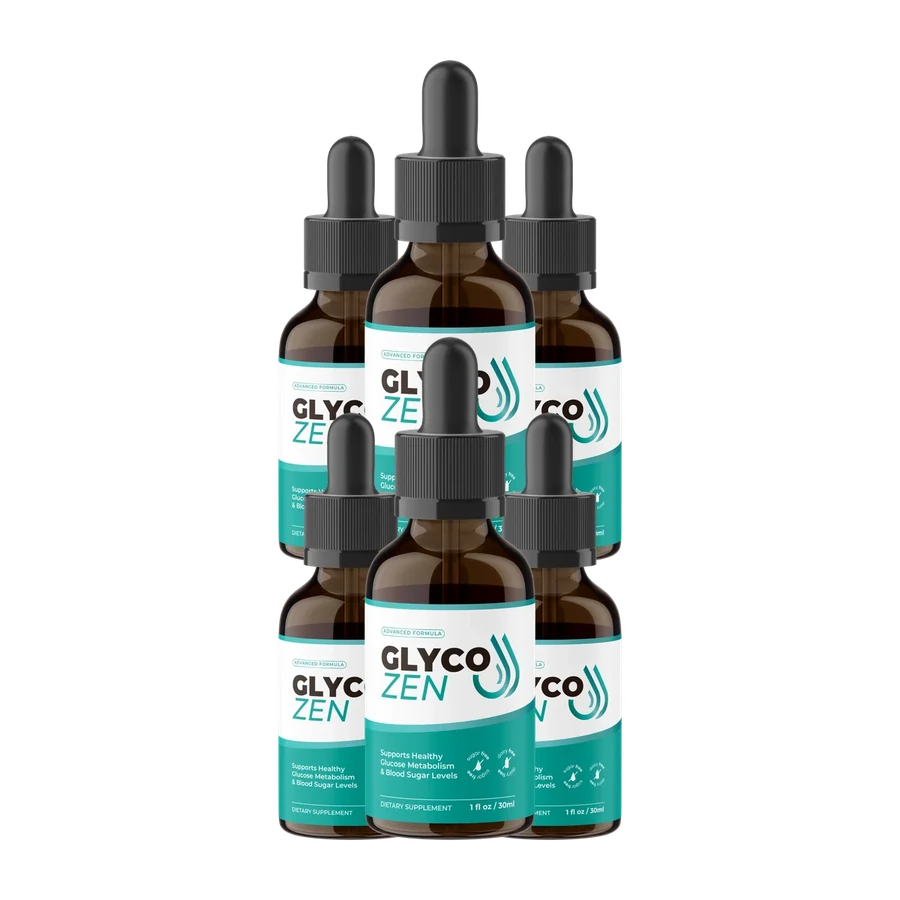
These three ingredients, alongside Chromium, make up all four named ingredients in GlycoZen's formula. See our piece on hypoglycemia and medication interactions for the formula's most important safety consideration.